

We examine the winter weather, freezing temperatures, and trail conditions on the Annapurna Circuit in December.
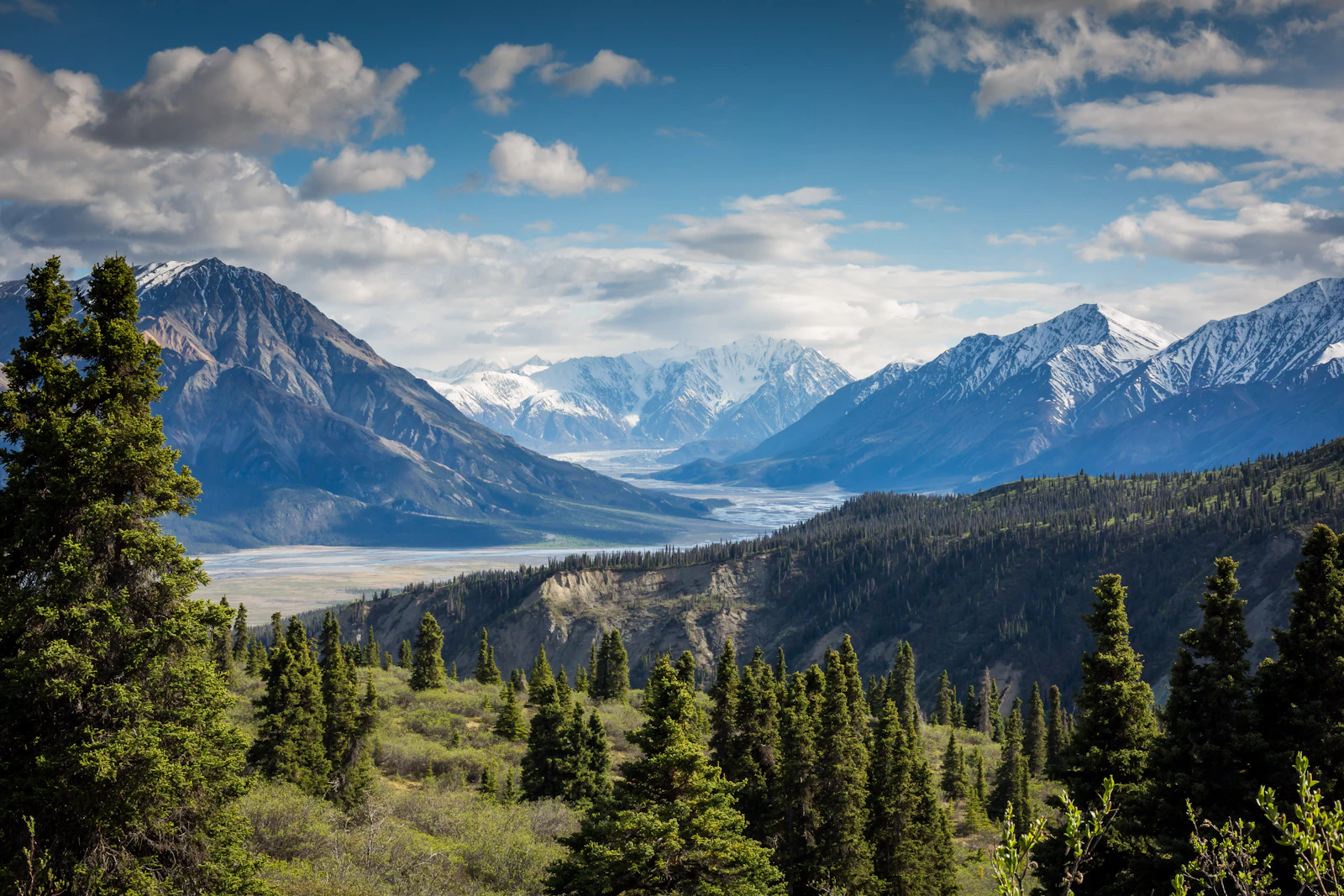
Understanding december on the annapurna circuit
Trekking the Annapurna Circuit in December brings crisp blue skies, freezing overnight temperatures, and potential snow blockages at high passes. When our lead guides check the Thorong La pass status from Manang, we look for stable high-pressure systems that guarantee clear visibility over the surrounding peaks. While the lower elevations remain pleasant during midday, winter sets in sharply above 3,000 m, requiring careful planning and proper gear.
Compared to the peak autumn season detailed in our Langtang valley versus annapurna base camp trek evaluation, December cuts down the foot traffic significantly. You share the trail mostly with independent hikers and our supported expeditions rather than crowded teahouses. However, cold management is the primary operational challenge our teams face during this month.
Monthly weather breakdown by elevation
December weather varies drastically between the lush subtropical lowlands of Besisahar (760 m) and the high-altitude desert of Mustang behind the pass. Daytime temperatures in the lower valleys hover around 15°C to 20°C, but once you ascend past Chame (2,710 m) and toward Manang (3,540 m), night temperatures routinely drop well below freezing.
| Location | Elevation | Average Day Temp | Average Night Temp |
|---|---|---|---|
| Besisahar | 760 m | 18°C | 8°C |
| Chame | 2,710 m | 12°C | -2°C |
| Manang | 3,540 m | 7°C | -9°C |
| Thorong Phedi | 4,450 m | 3°C | -14°C |
| Muktinath | 3,760 m | 5°C | -10°C |
We monitor the Annapurna Conservation Area Project (ACAP) checkposts in Chame and Manang daily for weather advisories before pushing clients toward the high camps.
Thorong la pass snow and crossing conditions
The main bottleneck in December is Thorong La at 5,416 m. Snowfall can occur at any time during winter, turning the scree slopes into technical walking routes requiring microspikes or trekking poles with snow baskets. When we lead groups across, our guides start moving from Thorong Phedi (4,450 m) or High Camp (4,850 m) well before dawn at 04:00 to beat the ferocious wind speeds that pick up by midday.
To prepare for high-altitude cold and physical exertion, we recommend reviewing our notes on Comparing difficulty between everest base camp and annapurna circuit, as winter adds an extra tier of physical endurance to both routes.
- Pack a -20°C rated down sleeping bag for unheated teahouse rooms.
- Ensure your insurance policy explicitly covers trekking up to 6,000 m.
- Keep water bottles inside your sleeping bag overnight to prevent solid freezing.
- Carry chemical water purifiers instead of reliance on pumps that fail in sub-zero ice.
- Stay in constant radio or phone contact with lodge owners in Muktinath for pass status updates.
- Wear polarized glacier glasses to combat harsh UV glare off fresh snowfields.
Teahouse availability and local logistics
Many lodge owners in Thorong Phedi and High Camp lock their doors and descend to lower villages by mid-December, but the main settlements like Manang, Yak Kharka, and Muktinath remain open to service resilient travelers. Fuel is wood or yak dung in upper areas, and dining halls are typically heated with a central stove for a few hours in the evening. Understanding the overall expense structure is vital, and you can cross-reference standard trail costs against insights found in our Total permit cost for the annapurna base camp trek guide.
- Register your TIMS card and ACAP permit at the Kathmandu or Pokhara tourist service desk before departure.
- Check in at the ACAP station in Dharapani to verify trail logs.
- Confirm with lodge operators in Manang if High Camp tea houses are currently functional.
- Ascend slowly through Letdar to allow proper blood oxygen adaptation.
- Make the final push over Thorong La only when local guides give clear weather confirmation.

